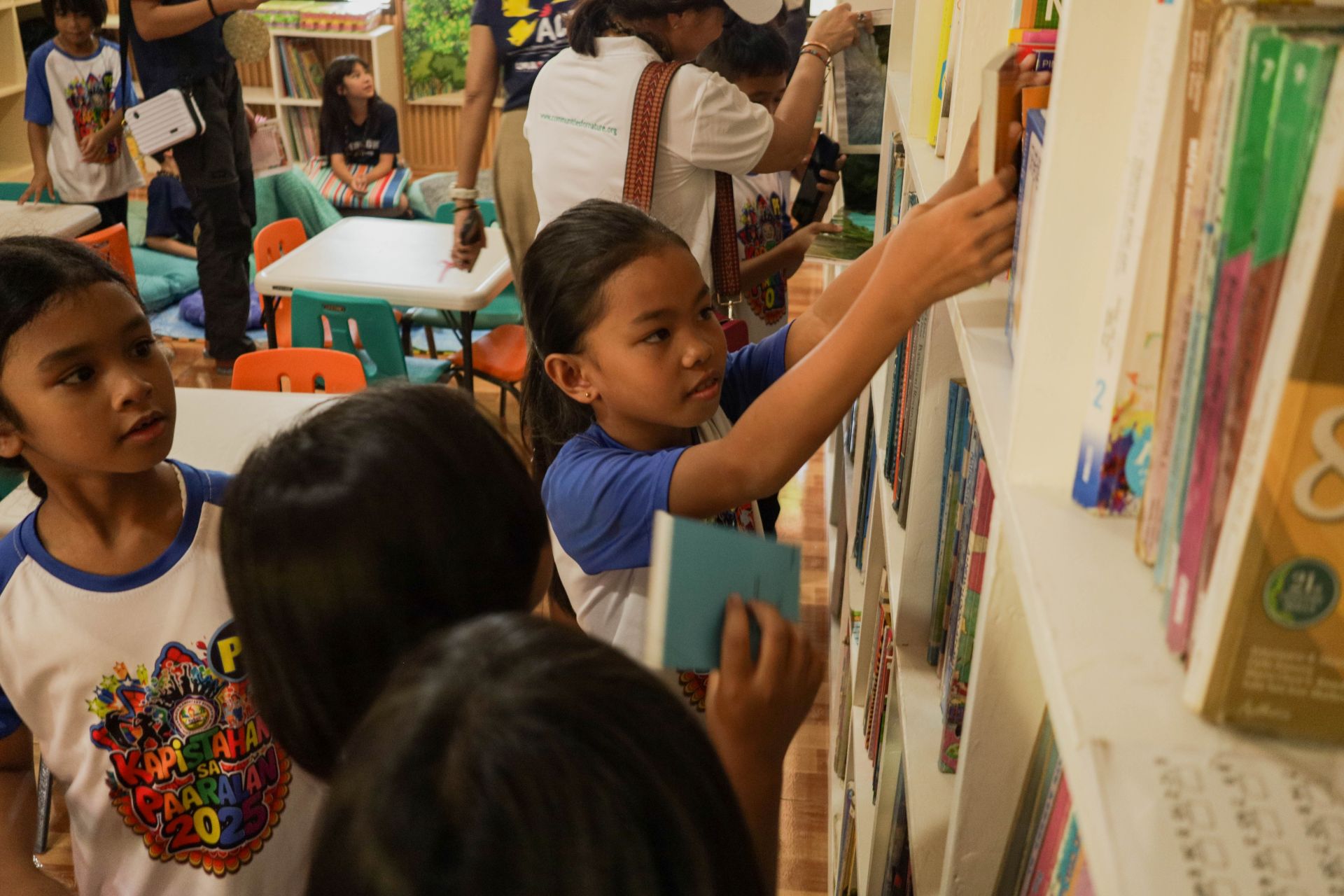
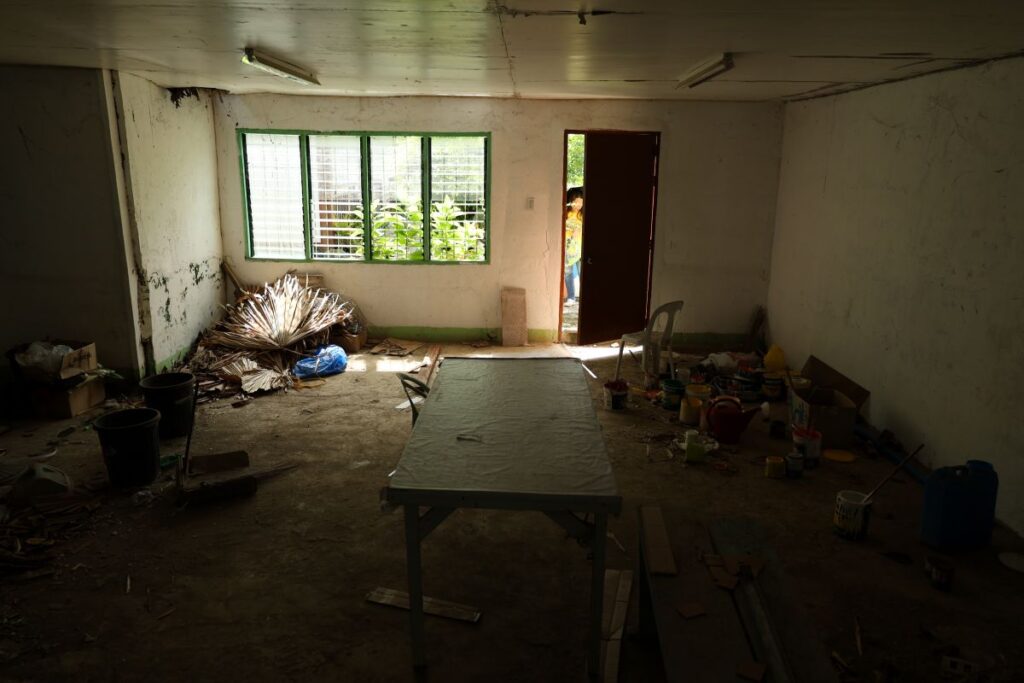
After Typhoon Odette, one room at Bulata Elementary School sat damaged and unused for more than four years. Today that room is the school’s library, and almost every pupil has already been inside. On any afternoon you’ll find children on floor cushions with picture books, sounding out words at the tables, or listening to a teacher read aloud.
This is the story of how the library came to be, and of the people who built it.
After the storm
Bulata is a small coastal village in Cauayan, in southern Negros Occidental, where most families fish or farm. In December 2021, Super Typhoon Odette hit the region. It was the strongest December typhoon on record to make landfall in the Philippines. In Negros Occidental alone, more than a million people were affected and over 270,000 homes were damaged. Families lost boats, fishing gear and harvests.
Children were hit hard too. Schools had only just started reopening after the pandemic, and across the regions Odette struck, around 12 million learners had their schooling interrupted again. At Bulata Elementary School, the storm left one room broken and unusable. The community rebuilt homes and livelihoods first, as it should have, and the room had to wait. Nearly 500 children aged 6 to 14 had very few books, and many had never been inside a real library.
One birthday, many hands
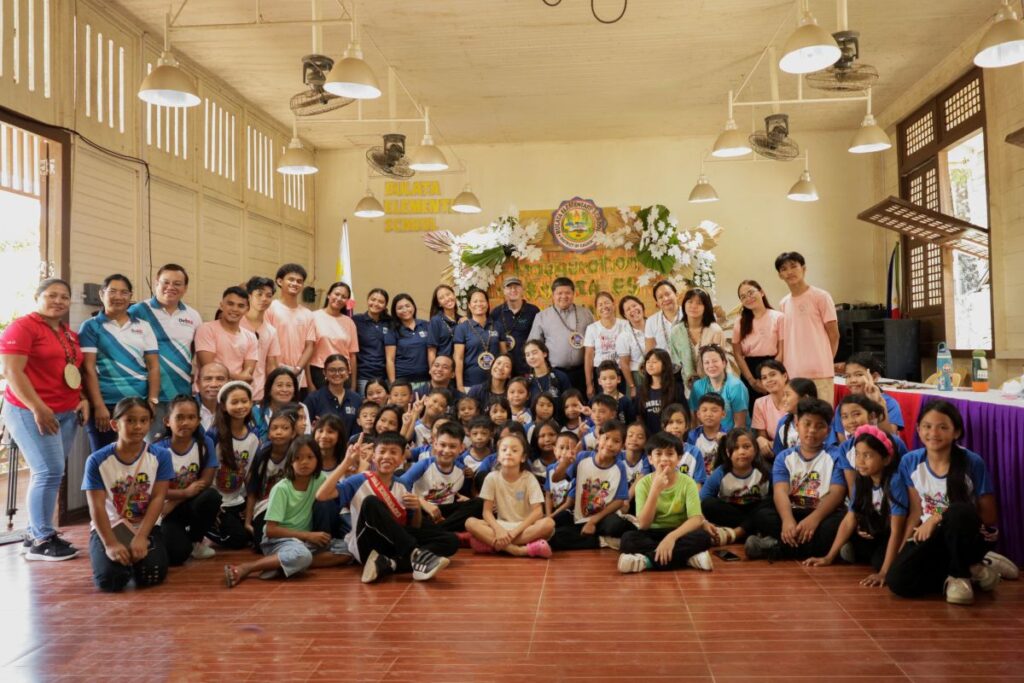
At Easter 2025, our Founder, Rhoda Phillips, went back to Bulata with her family. CFN has worked with this community for years, so the school was familiar. When she saw the empty room, she saw a library the children could use.
She turned her birthday into a fundraiser. “In a country where 91% of 10-year-olds struggle with reading comprehension,” she wrote, “access to books, technology, and safe learning spaces is more than a luxury — it’s a lifeline.”
Friends donated and shared the appeal, and some ran small fundraisers of their own. Together, everyone raised more than £5,000. People also gave books and other materials. Two schools in the UK collected books for Bulata, so children in one part of the world were helping children in another. Supporters also sent boxes of books and supplies.
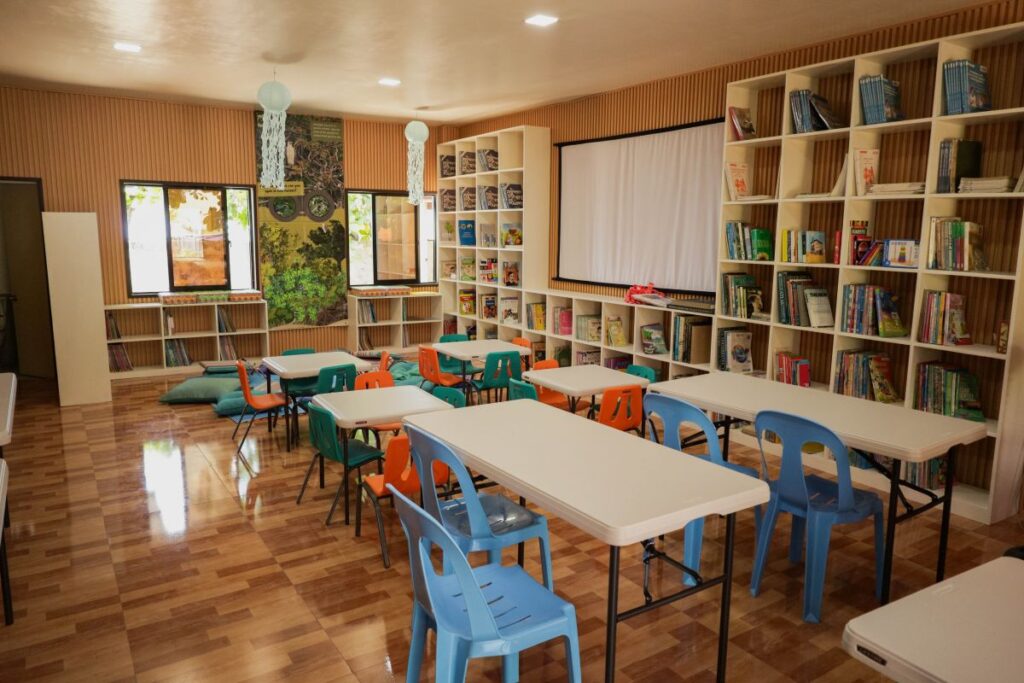
In Bulata, teachers, parents and local leaders turned that support into a real library, working with our partner PRRCFI. Many of them are also part of Project ACE, our long-running partnership with PRRCFI and LMAX Group, and they brought the same commitment to this project. Early this year the room was rebuilt with a new ceiling and lights, full shelves, bright chairs and a cushioned reading corner under a painted forest.
Opening day
The library officially opened on 7 April 2026, during a visit from LMAX Group, so the day celebrated both the library and Project ACE. Pupils from Bulata Elementary stood alongside ACE Sustainability Scholars. The village’s youngest readers and some of its future leaders were in the same room.
A room full of readers
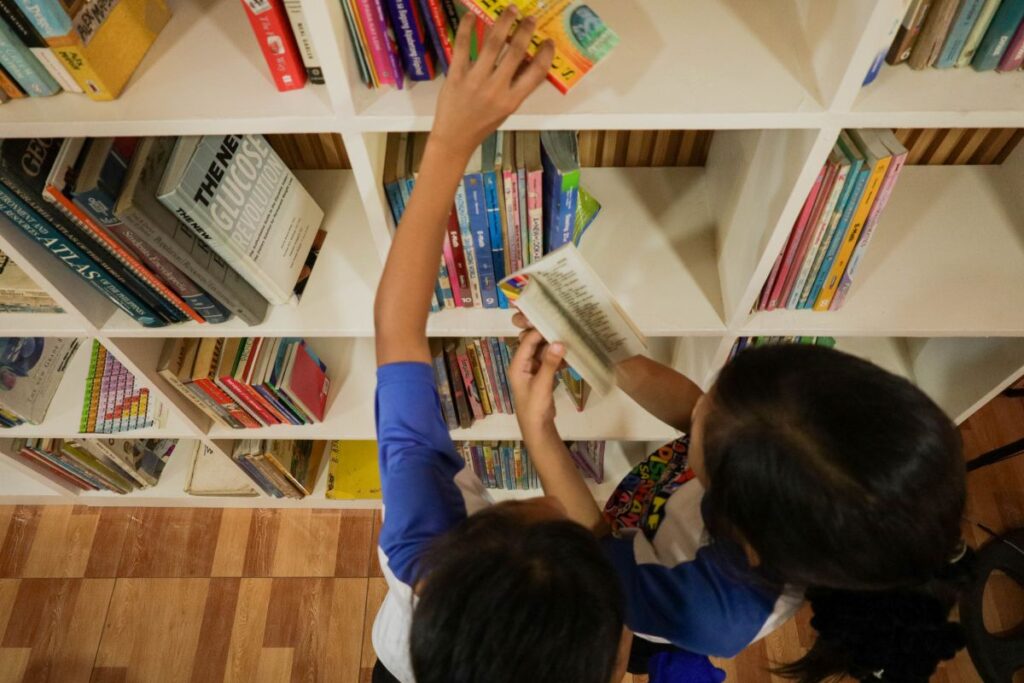
Since the school year began in June, 425 of the school’s 434 pupils (98%) have used the library. Visits grew from 123 in June to 425 in August, with 1,185 visits in four months. The shelves hold nearly 1,000 books, and about 430 of them are new. Every day there is reading support, read-alouds and free reading time, and the timetable also sets aside hours for parents and other community members.
“This is clear proof that our children are hungry to read and to learn,” says Principal Lenie T. Matia-Ong. “… It has become a safe space where our learners improve their reading, where struggling readers gain confidence, and where parents and community members also come to learn together.”
Ma. Angelica O. Malihan, who runs the library, has watched the change closely: “Before, it was difficult to encourage our learners to read because we had limited books. Now, our pupils are excited to go to the library.”
A child who reads
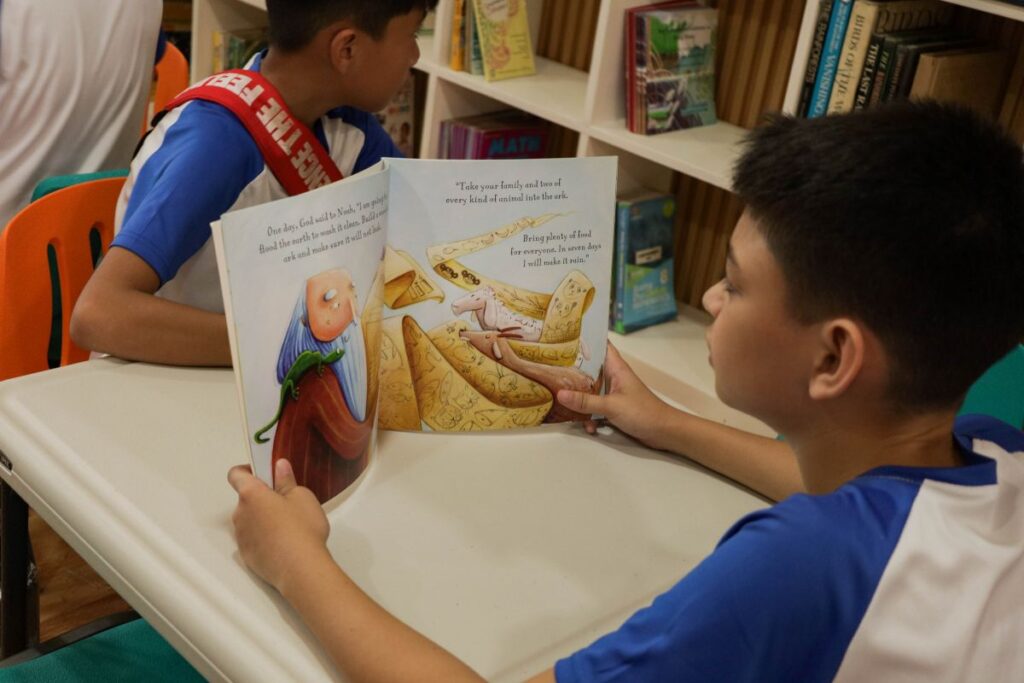
Teacher Rommel P. Evangelio calls the library “another teacher in our school — a teacher that does not speak, but teaches through every page.”
The school’s motto is A child who reads will be a child who leads. The children reading in this room will grow up to fish these waters, farm this land and decide how this coastline is cared for.
Looking after nature means looking after the people who will care for it next. At Communities for Nature, that is the heart of what we do.