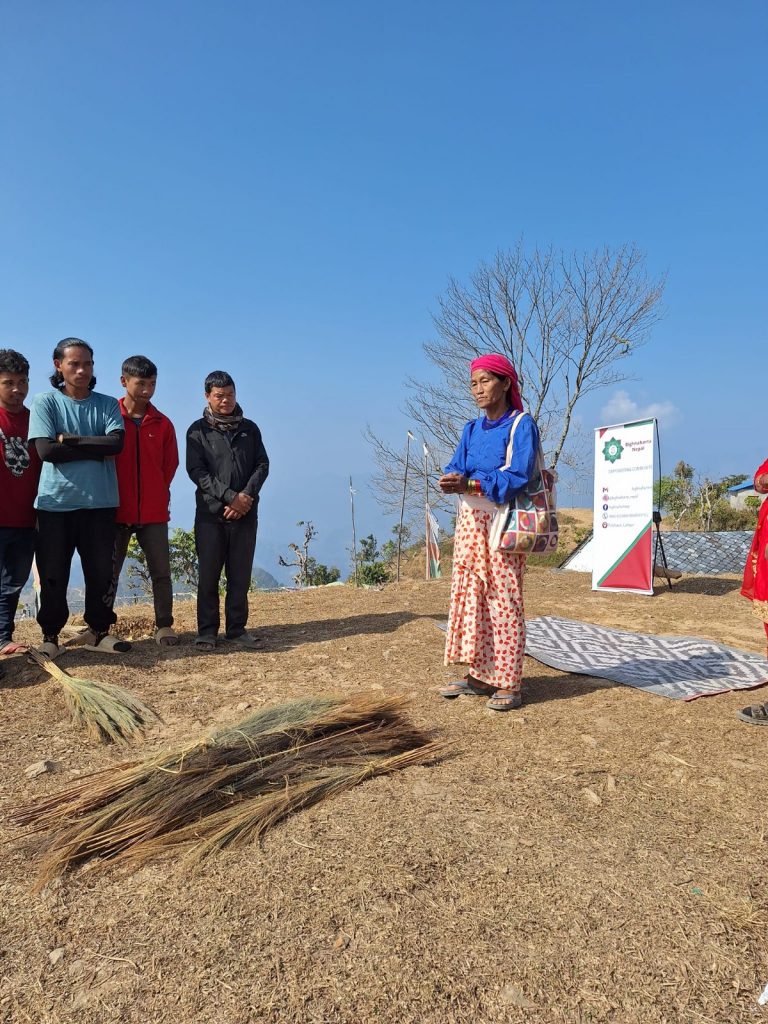
Looking back on the year, what stands out most is not the volume of activity, but the clarity of purpose behind it.
This has been a year of growth for Communities for Nature – growth grounded in stewardship, shaped by partnership, and guided by a simple belief: whatever we hold, we hold in trust. Resources, relationships, experience, influence, all of it carries responsibility.
At the centre of this year sits the Green Spark Fund.
The Green Spark Fund was created as a practical expression of stewardship: that what we receive must find its way back to what matters. Not as charity, but as responsibility. Not as a gesture, but as a way of working.
Seven partners. Seven projects. Six organisations. Five countries. These figures signal reach, but the heart of the fund lies elsewhere in the belief that small, well-placed support can unlock real change; that trust is as valuable as funding; and that belief, when paired with action, builds momentum.
The Green Spark Fund also responds to a reality that is rarely named. Conservation work can be isolating. Much of the most impactful work is done quietly, deeply embedded in place. The fund exists as a collective platform for connection. It is a signal of trust, and a space where people and communities do not have to work alone.
It is not about scale for its own sake. It is about creating space. About returning resources, modest or significant into the hands of those closest to the work. In this sense, the Green Spark Fund is the clearest reflection this year of who we are: lean by design, grounded in experience, focused on enabling rather than directing.
The same principle underpins our flagship partnerships. Project MITHI, delivered with Security Bank and Oceanus Conservation, demonstrates how values-led corporate leadership can support community-rooted, nature-based solutions. Our continued work through Project ACE, delivered with the Philippine Reef and Rainforest Conservation Foundation and supported by LMAX Group, reflects the power of consistency and long-term commitment.
Personal acts of giving this year, including fundraising for the Bulata Library, come from the same place. Stewardship begins with showing up.
As we move into the year ahead, we do so steady rather than hurried. The work continues as a practice of stewardship, of creating space, and of returning what we receive back into communities.
The Green Spark Fund is one expression of that commitment. It will not be the last.
🛑 A lot of the trash that reaches our coasts doesn’t start there. It flows from unmanaged waste systems into rivers, then out to the sea. Plastic — made for convenience — is now part of daily life, but it often ends up where it shouldn’t: in our water, food, and even the air we breathe.
This is why the International Coastal Cleanup (ICC) is so powerful. Every September, millions of volunteers worldwide come together to clean beaches, rivers, and lakes — removing more than 220 million pounds of trash over the past three decades. Beyond the cleanup, ICC shows what’s possible when communities, businesses, and organizations work side by side.
Today, in Barangay Bulata, Philippines, local residents, youth, and community leaders joined this global movement. Their cleanup may have lasted only a morning, but the impact goes far beyond the shoreline. Each piece of trash collected becomes part of the ICC’s global dataset — information that helps shape solutions to our shared plastic crisis. And each participant becomes part of a much bigger story: that of people everywhere taking action to protect the places they call home.
At Communities for Nature (CfN), we carry this energy forward all year with projects that go beyond cleanups to protect what matters most:
🌊 Blue carbon ecosystems — Oceanus Conservation and partners are restoring mangroves and coastal habitats that capture carbon, shield shorelines, and sustain local livelihoods.
🌱 Marine and terrestrial biodiversity — Philippine Reef and Rainforest Conservation Foundation, together with the people of Barangay Bulata, are ensuring healthy ecosystems that support communities, protect wildlife, and sustain local tourism.
🤝 Corporate–community partnerships — co-creating solutions with LMAX Group and Security Bank that strengthen ESG commitments while delivering measurable impact for both people and nature.
Clean and healthy waterways don’t just benefit coastal families — they benefit industries, supply chains, and communities everywhere. What happens along the shoreline has ripple effects all the way to the boardroom.
From shorelines to boardrooms, we’re all connected by water. Let’s work together to protect it for generations to come!
#InternationalCoastalCleanup #CommunitiesForNature #PeopleAndPlanet
When you spend time with people living closest to forests, rivers, coastlines, or mangroves, one thing becomes clear: the most powerful solutions for biodiversity and climate resilience come from the frontline communities.
Generations of indigenous knowledge and lived experience have safeguarded ecosystems, sustained life, and inspired new ways of caring for our shared planet. Communities bring brilliance, courage, and leadership — yet what often stands in the way are the barriers: access to resources, recognition, and support.
That’s where the idea for the Green Spark Fund was born.
We wanted to create something simple yet meaningful — flexible, trust-based support that emphasizes partnership and dialogue over compliance. This isn’t about long-term aid or imposing solutions from the outside. It’s about removing barriers, backing local priorities, and offering mentoring and check-ins that feel more like accompaniment than oversight.
Here’s what the fund offers:
💡 Small but meaningful grants of up to £1,500
🤝 Light-touch mentoring and regular check-ins
🌍 Open to grassroots groups in Zimbabwe, Borneo, Nepal, the Philippines, and Kenya
For this first round, we’re opening the call to our partners around the globe — Alam Sehat Lestari (ASRI), Bighnaharta Nepal, Philippine Reef and Rainforest Conservation Foundation, Rosa Organisation, Oceanus Conservation, and The Hummingbird Initiative.
These partners can also apply on behalf of groups and communities they already work closely with, making access easier while ensuring guidance and accountability.
This is at the heart of CfN’s work: connecting people, sparking ideas, and walking alongside communities so conservation grows from the inside out. 🌿
And we’re only just getting started. We can’t wait to see what blooms when hope meets support — and we’d love for you to follow along as our partners and their communities bring their visions to life. ✨
The first grantees will be announced this October, so stay tuned! 📣
If this vision resonates with you — whether you’re a funder, ally, or organisation that believes in the power of grassroots leadership — let’s connect. 💚 Together, we can fuel community-led solutions for people and planet.
🌍 #CommunitiesForNature #GreenSparkFund #FuelForGrassrootsInitiatives #CommunityLedConservation #ClimateAction #GrassrootsLeadership #BiodiversityConservation #Sustainability
We’re excited to share something big with our community: Rosa Care Organisation, a women-led, community-rooted movement from Zimbabwe, is now part of the Communities for Nature (CfN) network.
And this isn’t just another partnership. It’s a signal of where we’re headed, and who we’re standing with.
For nearly two decades, Rosa Care has stood with rural women, girls, and marginalized communities—leading initiatives that uplift not just individuals, but entire ecosystems of care, leadership, and resilience. Our work is grounded in a simple truth: when women lead, transformation is real, lasting, and far-reaching.
This partnership is not about charity. It’s about solidarity and scale—about investing in the people who are already leading change where it matters most.
Who is Rosa Care?
A community-rooted org that:
Going deeper than superficial intervention, they’re transforming systems from the ground up—through health, education, livelihoods, climate action, and more.
Rosa Care is proof that some of the most powerful work in conservation and development is already happening—and we need to get behind it.” — Rhoda Phillips, CEO, Communities for Nature
Why this partnership matters
Rosa Care doesn’t just deliver aid. They build power. Through grassroots environmental leadership, sustainable livelihoods, education, and health, they are reshaping systems from the ground up—with women and girls at the heart of it all.
Together, our goal is to grow a movement that is:
• Locally-led, not externally imposed
• Rooted in dignity, not dependency
• Designed to last, not to impress
“We’ve been building communities for years—supporting women as agents of real change. This partnership with CfN allows us to scale that work with solidarity and shared purpose.”
— Forbes Chikobvu, Coordinating Director, Rosa Care Organisation
To our funder friends, this is your invitation: If you’re looking for impact that is intersectional, feminist, climate-resilient, and built to endure—look no further. Funders who walk with us invest in:
• Women’s environmental leadership
• Community-driven renewable energy and climate justice
• Sustainable livelihoods and systems-level change
This is your opportunity to support bold, rooted, women-led work that’s already changing lives. Not from the top down—but from the soil up.
#FundFeministFutures #WomenLeadChange #ClimateJustice #GrassrootsPower #DecolonizeDevelopment #CommunitiesForNature #RosaCareOrganisation #CommunitiesForNature FundTheFrontlines #ClimateJustice #GenderEquality
Ankita Shah‘s journey in conservation began far from the city where she was born, Kathmandu, Nepal, and even further from the comfort of traditional career paths. Growing up, she was deeply empathetic, always aware of the challenges faced by those less privileged. This sense of purpose led her to work in social development, but for years, she struggled in environments where her ideas were dismissed, and her contributions went unrecognized—often simply because she was a woman.
Then, in 2015, everything changed. When an 8.1 magnitude earthquake struck Nepal, Ankita witnessed firsthand the resilience of communities facing immense loss. Among them were women who, despite hardship, were not only rebuilding their homes but also leading efforts to restore their communities. It became clear to her: women were not just caretakers; they were changemakers.
One such woman was Sun Maya Ama. At 63, she had spent decades supporting her family and community by making brooms from omriso—broom grass—gathered from the forest. In her youth, this was simply a means of survival. But over time, she began teaching other women, creating opportunities for them to earn income and support their households.
Inspired by Sun Maya Ama and other women like her, Ankita and her team from Bighnaharta Nepal launched an initiative in 2019 to reintroduce broom grass planting on a commercial scale. This effort connected communities with fair market opportunities, engaged women from over 110 households, and significantly reduced landslides by 90% due to the plant’s deep-rooted benefits for soil stability.
Sun Maya Ama shared with Ankita,
“For years, I worked in poverty and scarcity. Now, the skills I used to survive have become my identity. I’m not just taking care of my family—I’m taking care of our land, our future, and helping other women do the same.”
Through this work, Ankita has seen how investing in women leads to lasting impact—not only in economic empowerment but also in environmental restoration. These women are protecting their lands, leading conservation efforts, and strengthening their communities from the ground up.
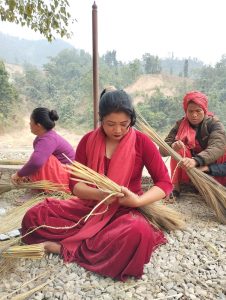
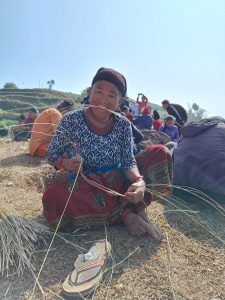
What started as a small initiative has grown into a model for sustainable conservation, proving that when we support women, we support nature itself. Ankita’s journey has been about more than just personal transformation; it’s about creating opportunities for women to lead and thrive in conservation.
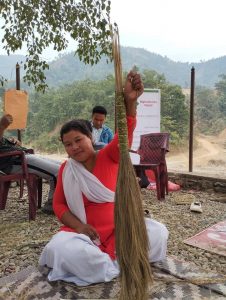
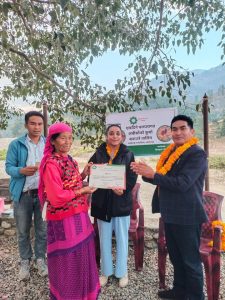
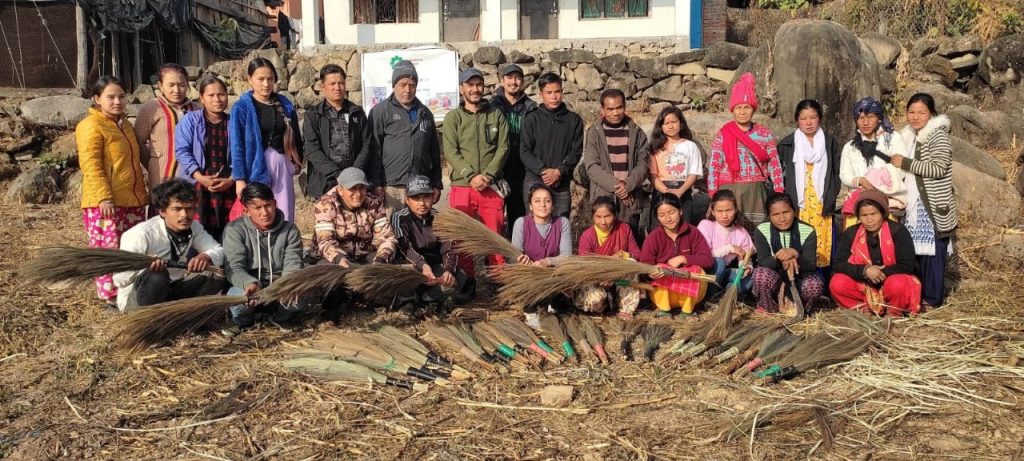
With the right support, these efforts can expand, reaching more communities and creating lasting change. Investing in women-led conservation initiatives is about more than environmental protection—it’s about dismantling barriers that have long excluded women from decision-making, ensuring they have the resources and opportunities to lead. When women have a stake in conservation, they drive solutions that not only restore ecosystems but also build more just, self-sufficient communities where economic security and environmental stewardship go hand in hand.
[ Watch Ankita’s TED talk here ]
In the dense and verdant landscapes of West Kalimantan, Borneo, the fight to preserve the island’s ecological heartbeat is championed by dedicated conservationists. Among them is Nur Febriani, a woman whose journey from public health to environmental advocacy is as inspiring as it is transformative.
Febri, as she is fondly called, is the Director of Resource Mobilization at Yayasan Alam Sehat Lestari (ASRI), an organization pioneering an integrated approach to healthcare and conservation. Prior to this role, she served as ASRI’s Executive Director for seven years, steering the organization toward impactful solutions that intertwine human well-being with environmental stewardship.
Born and raised in West Kalimantan, Febri’s journey into conservation was not a direct one. She holds a background in Public Health and Epidemiology, having graduated from the University of Indonesia. Even before completing her studies, she was already immersed in humanitarian work, joining the response efforts for the 2004 Indian Ocean earthquake and tsunami. This firsthand experience of working at the grassroots level ignited her passion for social impact, shaping her commitment to community-driven change.
For over a decade, Febri dedicated herself to improving public health across Indonesia. She led the Foundation for Mother and Child Health Indonesia in Jakarta for nearly five years and worked with both the Indonesian Red Cross and the International Federation of Red Cross and Red Crescent Societies (IFRC). Her role at IFRC deepened her understanding of disaster risk reduction, where she witnessed firsthand how environmental degradation exacerbates vulnerabilities in communities. It was through this lens that she began seeing the inextricable link between health and conservation.
Despite her extensive background in public health, Febri felt a deeper calling—one that led her back to her homeland in Borneo. In 2018, she joined ASRI, an organization that embodies the very synergy she had been seeking: a holistic model where healthcare incentives drive conservation outcomes.
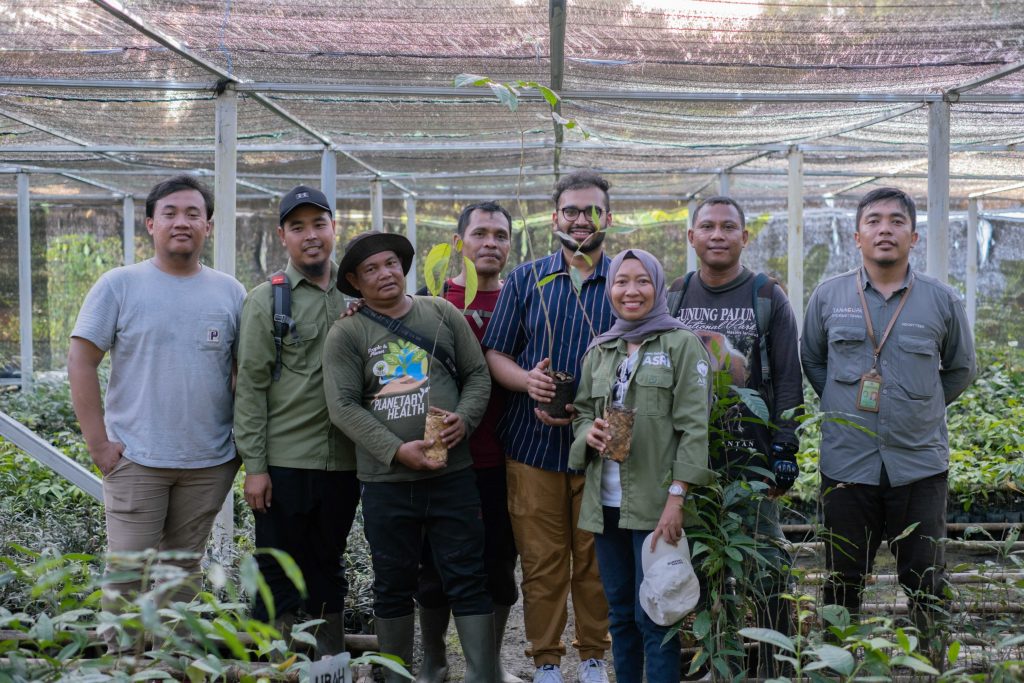
photo c/o ASRI
ASRI’s approach is unique, offering affordable healthcare services to communities in exchange for commitments to protect the rainforest. Under Febri’s leadership, ASRI expanded its impact, demonstrating that conservation is not just about protecting trees but also about ensuring the well-being of the people who depend on them.
For Febri, ASRI represents a rare and powerful opportunity to unite her passions. “I want the image of Borneo to remain as the ‘lungs of the earth,’” she says. Through ASRI, she has helped amplify the skills and capacities of local communities, proving that conservation and human welfare are not opposing forces but rather two sides of the same coin.

As a woman conservationist, Febri has navigated the challenges of leading in a traditionally male-dominated space. She recalls moments when she led meetings with her team, gaining their trust through careful listening rather than immediate confrontation. “At first, there was hesitation,” she says. “But when I explained that the program would provide them with hundreds of fruit trees—durian, jackfruit, and hardwood species—they started to see the value. We reassured them that while hardwood trees could not be cut, the fruit trees would provide sustainable income for years to come.”
This patient and empathetic approach, rooted in ASRI’s principle of radical listening, allowed her to bridge the gap between conservation efforts and local economic realities. She understood that true change comes not through force, but through understanding and collaboration.
Among her favorite projects at ASRI is the Chainsaw Buyback and Reforestation program. Rather than criminalizing loggers, ASRI provides them with alternative livelihoods, recognizing that most of them cut trees out of necessity rather than malice. “We don’t judge loggers as bad people,” Febri explains. “They are fathers and husbands trying to provide for their families. If we offer them a sustainable alternative, many of them willingly transition.”
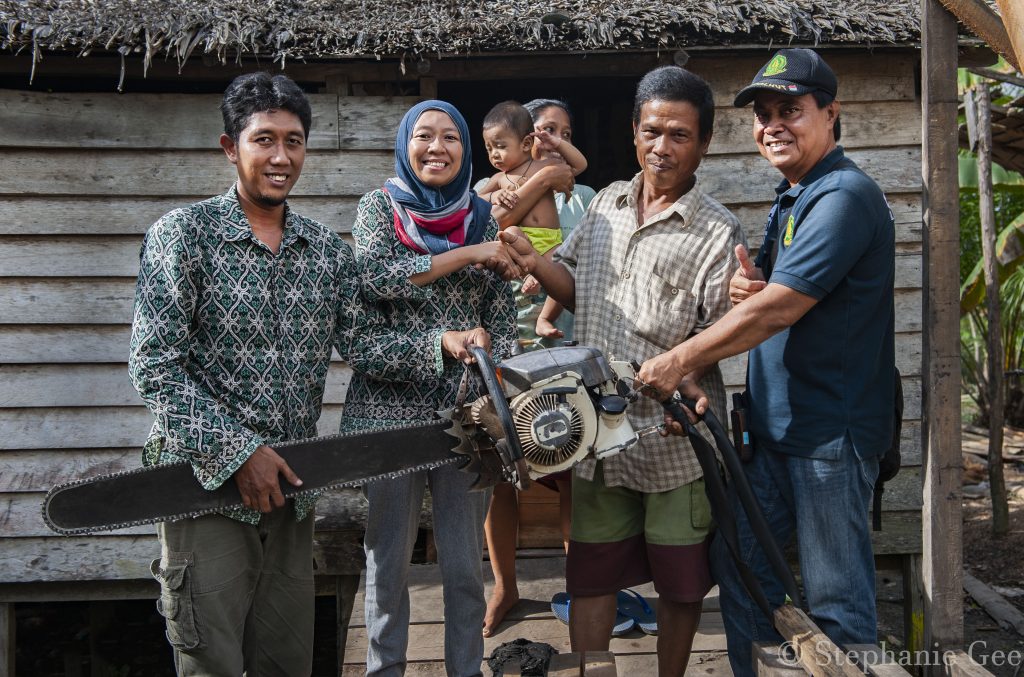
photo c/o ASRI
The results speak for themselves: Since 2017, more than 300 former loggers have left deforestation behind, setting up new businesses and even encouraging their peers to do the same. The reforestation efforts, too, have been deeply rewarding. Seeing wildlife return to restored habitats, captured through ASRI’s camera traps, fills Febri with awe. “It’s amazing to see that what we are doing is working. The land is healing, and wildlife is coming back to what was once their home.”
Febri’s work at ASRI is a testament to the power of interdisciplinary action. By merging public health with environmental advocacy, she has contributed to a model that not only restores forests but also uplifts lives. Her journey—from responding to disasters to spearheading conservation-led health initiatives—serves as an inspiration for those seeking to create meaningful, intersectional change.
Through her leadership and unwavering dedication, Febri is ensuring that the story of Borneo remains one of resilience, sustainability, and hope. Her work continues to shape a future where both people and nature thrive together, reinforcing the idea that when we heal the planet, we heal ourselves.
She shares another quote from one of the most authentic collections of hadith (sayings and actions of Prophet Muhammad ﷺ) in Islam that resonates with her mission:
“There is none amongst the Muslims who plants a tree or sows seeds, and then a bird, or a person, or an animal eats from it, but it is regarded as a charitable gift (Sadaqah) for him.”
[Sahih al-Bukhari, 2320]
This hadith emphasizes the lasting reward (Sadaqatul Jaariya) of planting trees and highlights the deep connection between faith, sustainability, and environmental stewardship. It aligns beautifully with Febri’s work in conservation, where reforestation benefits both people and wildlife for generations.
“When a tree stands for tens or even hundreds of years, it continues to give even when we are no longer here. This is real work on the ground, and that is what keeps me going.”
Febri’s message is clear: no matter our background, we all have a role in protecting our environment. “We live on the same planet, we are connected, and our health depends on nature’s health. Let’s support each other in our journey to save our nature.”
insights by Rhoda Phillips, CfN Chair and Founder
As we celebrate International Women’s Day, I reflect on the powerful role women play in conservation and how our collective efforts can shape a more sustainable, inclusive world. My journey as a conservationist has been defined by collaboration, determination, and the unwavering belief that real change happens when we work together – with all sectors of society, with people from different professions and walks of life.
Recent weeks have taken me on a transformative journey in the Philippines, where we launched Project MITHI (Mangrove-based Initiatives for Thriving Habitats and Inclusive Communities). This initiative, in partnership with Security Bank Corporation and Oceanus Conservation, is a crucial step toward rehabilitating and protecting mangroves—essential for biodiversity, carbon sequestration, and climate adaptation.
My visit to project sites in Aringay, Bauang, and Bais City reaffirmed the power of community-driven conservation. I witnessed firsthand the dedication of local leaders, marine guardians, and entrepreneurs like Delailah Lacadue who leads the Dulao Fishpond/ Fishpen Producers Cooperative has sustained her livelihood together with her neighbours, through nurturing mangrove ecosystems. These encounters deepened my conviction that communities are not just beneficiaries of conservation but its strongest champions.
Over the past two years, Communities for Nature (CfN) has forged nine global partnerships spanning academia, corporate sectors, local governments, and grassroots organisations. These alliances have driven ecosystem regeneration, education initiatives, and community- led actions across Asia and Europe.
As a woman in conservation, I understand the challenges of navigating a traditionally male-dominated field. But I also know that leadership is not about standing alone—it’s about bringing people together. Women have always been at the heart of environmental stewardship, from local fishers to climate activists, and our voices must continue shaping policies, funding priorities, and action plans.
Looking ahead, my vision for Communities for Nature in 2025 is clear:
✅Strengthen and expand partnerships that prioritise local leadership and sustainable impact. ✅ Advocate for long-term, inclusive conservation funding that benefits both people and ecosystems. ✅ Champion women in conservation, ensuring they have the resources, recognition, and influence they deserve.
A strategic blend of adaptability and unwavering dedication is advocated for in navigating the dynamic landscape of conservation and community development. Embracing new technologies, creative solutions, and continuous learning is essential, but staying anchored in core principles and unwavering focus is equally critical. By embracing change while upholding foundational values, a sustainable course towards shared objectives can be charted, ensuring enduring progress in conservation and community endeavours.
Communities for Nature envisions a future where the nexus of conservation and community development thrives through collective learning, collaboration, and synergy. By forging strategic partnerships and unwaveringly upholding our values, the seeds of sustainability, resilience, and prosperity are sown, which will become a legacy for generations to come.
Conservation is not just about protecting nature—it’s about securing a just and thriving future for all. This International Women’s Day, let’s commit to building stronger collaborations, uplifting diverse voices, and investing in nature’s true stewards: the communities who live and breathe conservation every day.
If you’re interested in partnering with Communities for Nature, let’s connect. Together, we can turn vision into action.
Nature is our most powerful ally in securing a future that is sustainable, just, and flourishing. Yet, financial support for conservation remains insufficient and often fragmented, limiting the scale and impact of initiatives on the ground.
At Communities for Nature (CfN), we witness firsthand how local action drives global change. Communities already have the knowledge and leadership to drive conservation. The best climate solutions are nature-based, community-led and gleaned from indigenous wisdom. What’s needed is the right investment to amplify their impact and sustain their efforts.
From Gaps to Gains: Transforming Financial Flows for Nature and Communities
The current funding landscape often prioritizes short-term interventions over lasting change. To build enduring environmental and social resilience, we must reimagine conservation financing. Here’s how we can work together:
✅ Channel Resources Directly to Local Solutions Community-led initiatives are at the heart of conservation. By ensuring funding reaches grassroots efforts, we strengthen those who know their landscapes best and foster thriving ecosystems and sustainable livelihoods.
✅ Prioritize Long-Term Funding Models Short-term grants provide temporary relief but seldom enable real transformation. Multi-year commitments ensure that ecosystem recovery and community-driven conservation efforts can take root and flourish.
✅ Leverage Blended Finance The most effective conservation strategies combine philanthropy, public funding, and impact investments. By bringing these sectors together, we can amplify outcomes, reduce financial risk, and unlock new opportunities for nature-based solutions.
✅ Support Nature-Based Solutions Mangrove regeneration, watershed protection, and sustainable fisheries are not just conservation projects—they are climate adaptation strategies that protect livelihoods, mitigate climate impacts, and drive economic resilience.
Authentic connections, well-thought out investments for deeper impact
On this World Wildlife Day, we invite funders, partners, and changemakers to rethink how we finance conservation. Let’s shift from short-term aid to long-term investment, ensuring that every dollar supports not just survival, but regeneration, abundance, and a thriving future for all.
Are you ready to be part of this transformation? Let’s talk about how we can collaborate!
#CommunitiesForNature #WorldWildlifeDay #InvestInNature
Coastal communities stand at the frontline of the climate crisis. Rising sea levels, extreme weather events, and habitat loss threaten both livelihoods and biodiversity. But what if the solution isn’t just about restoring ecosystems—it’s about ensuring the people who depend on them have the tools, knowledge, and opportunities to lead the way?
That’s the vision behind Project MITHI—Mangrove-based Initiatives for Thriving Habitats and Inclusive CommunitieWhy Mangroves? Why Now?
Mangroves are one of nature’s most powerful climate solutions. They absorb four times more carbon than tropical rainforests, shield coastlines from storm surges, and provide critical habitats for marine life. Yet, they continue to disappear at alarming rates, often cleared for short-term economic gains like charcoal-production. As these Blue Carbon habitats are destroyed, carbon that has been stored for centuries is released into the atmosphere exacerbating global warming and causing devastating harm to the most vulnerable people in the planet – the minorities and marginalized.
Project MITHI is tackling this issue head-on, restoring degraded coastal areas while ensuring local communities shape and benefit from conservation efforts. In its inaugural year, the initiative will support three coastal communities—Aringay and Bauang in La Union and Bais in Southern Negros—leveraging partnerships with Oceanus Conservation, Security Bank and local stakeholders.
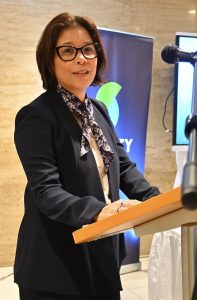
Chair Rhoda Phillips giving her closing remarks
The project was launched with key conservation leaders, including Nikki Lizares, VP and Sustainability Head of Security Bank. Rhoda Phillips, Chair and Founder of Communities for Nature, and Camille Rivera, Director and Co-founder of Oceanus Conservation, alongside local mangrove champion Delailah Lacadue and Engr. Rhea Tudado from the local government of Aringay.
Nikki opened the launch with an insight that sums up what the program is all about — “MITHI is more than just an environmental program. It’s a collaborative effort to position communities as key conservation leaders, strengthening their role in habitat restoration, ecotourism, and sustainable livelihoods.”
As CfN Trustee Sef Carandang put it: “We need to invest in knowing the communities.”
Security Bank Chief Finance Officer Eduardo Olbes also shared, “Our hope is to respond directly to the encouragement put forth by our partners. We hope to be tangibly participating and, from that, learning. It’s only through us touching the ground and working side by side with individuals within the local community that our understanding will develop.”
Unlike traditional conservation programs, MITHI takes a holistic, community-led approach:
✅ Restoring & Protecting Mangroves – Rehabilitating degraded fishponds and prioritizing nature-based solutions over short-term economic trade-offs.
✅ Advancing Coastal Stewardship – Shifting from passive beneficiaries to decision-makers in conservation, ensuring long-term management of ecotourism and restoration efforts.
✅ Deepening Local Knowledge – Through citizen science and hands-on climate workshops, MITHI engages in knowledge-sharing with local champions who already have the indigenous expertise to protect their ecosystems.
✅ Securing Sustainable Livelihoods – Coastal communities need more than mangrove forest rehabilitation. By integrating viable income-generating activities, MITHI ensures that conservation is both practical and lasting.
Community-driven conservation doesn’t just safeguard nature—it protects people’s way of life. It strengthens local economies, restores landscapes, and ensures that the most affected populations are at the forefront of climate action.
For those looking to support high-impact, community-led environmental work, Project MITHI is an investment in both ecosystems and the future of coastal communities.
With continued support, we can help coastal communities reclaim their landscapes, drive lasting change, and lead the fight against climate threats.
💚 Join Us. Fund the Future.
Picture this: three days surrounded by crystal-clear waters, lush mangroves, and vibrant wildlife on Danjugan Island. Sounds like paradise, right? But this isn’t just a retreat—it’s a call to action.
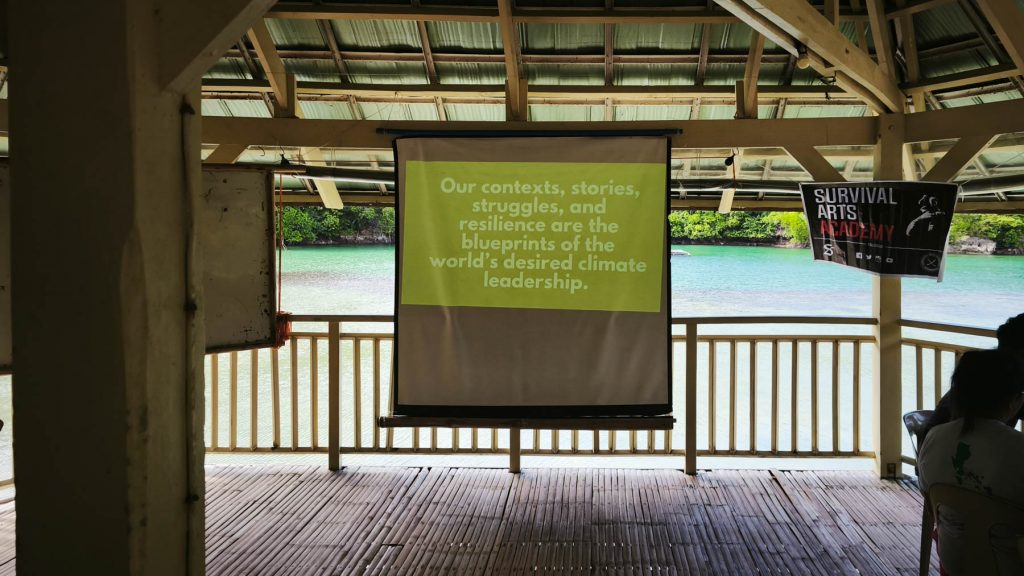
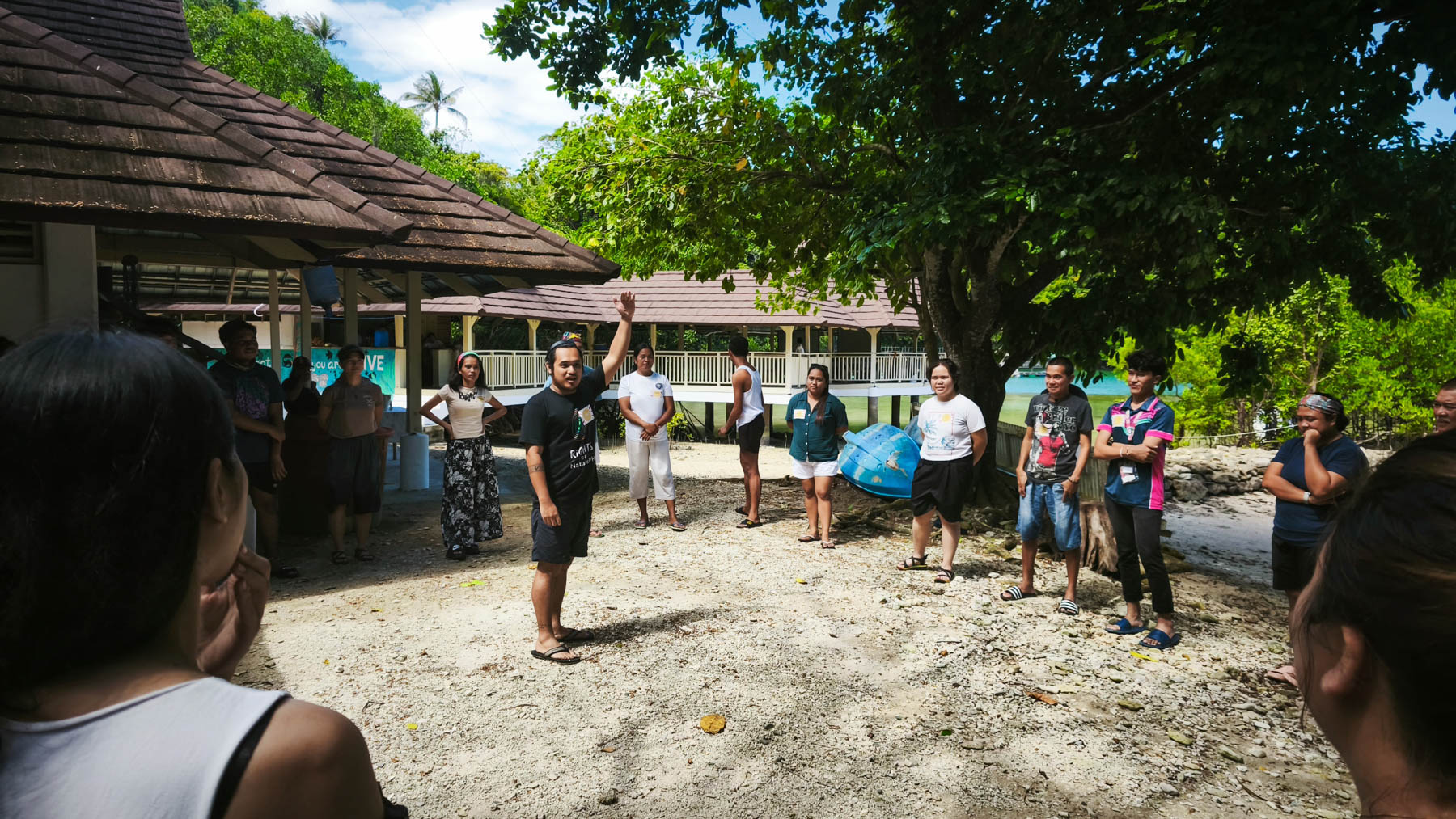
This was what the #ParaSaKlima Camp [Translated #ForTheClimate] was all about—a unique opportunity for participants – LGU, academe, People’s Organizations and the Youth– from Southern Negros Occidental to come together, learn, and act for the planet.
The goal: to create a Community Climate Fund that includes clear processes, management strategies, sustainability plans, and a roadmap for effective implementation.
What went on in the camp?
At #ParaSaKlima, the campers learned about:
1. The Science of Climate – Unveiling the “why” behind the crisis shaping our planet’s future.
2. Laudato Si / Caring for Our Common Home – Inspiring collective action to protect everything we love and live for.
3. Climate Justice – Fighting for fairness in a world where the heat isn’t equally shared.
4. The Intersectionality of Climate – Connecting the dots between the climate crisis and gender and development. The climate crisis disproportionately impacts women, especially in vulnerable communities, as they often bear the brunt of food, water, and resource shortages while having limited access to decision-making. Despite their critical role in climate adaptation and resilience, systemic inequalities continue to marginalize their voices in policy and action.
5. Environment and Climate Initiatives and Implementation – From vision to action: driving real solutions for a better tomorrow.
6. Brainstorming for opportunities for local communities to take agency over their lives – Building grassroots power to protect and sustain our shared resources.
After every talk, the campers gathered around to share their own insights and reflections on what they had learned.
For them, the whole experience was more than just about learning; it was about connecting the dots between knowledge and action. It was all about activating individuals to become agents for change in their communities.
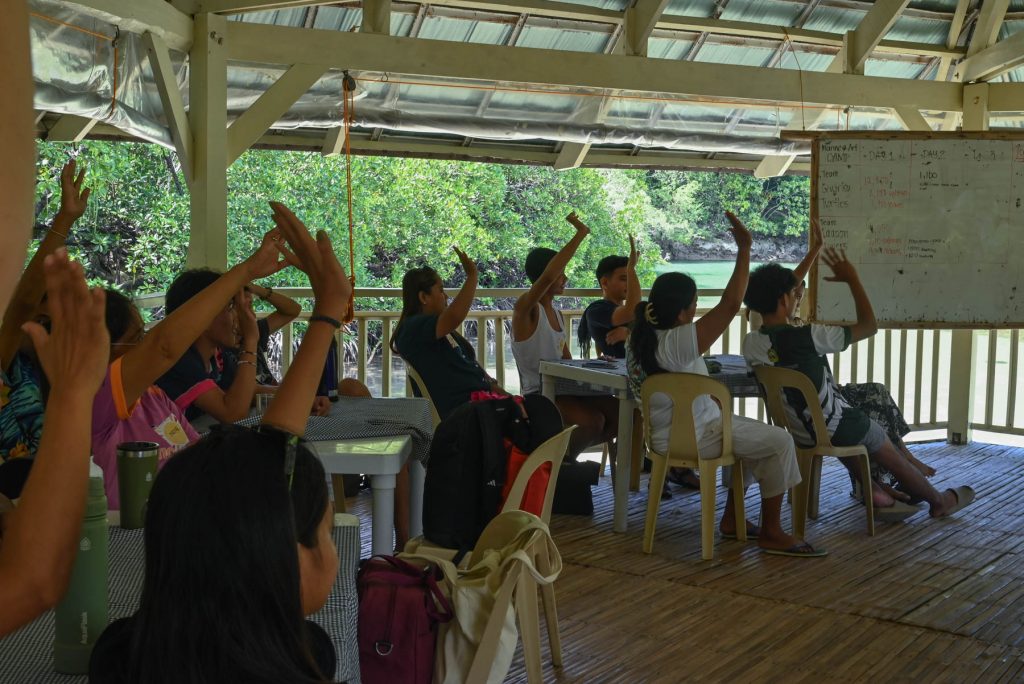
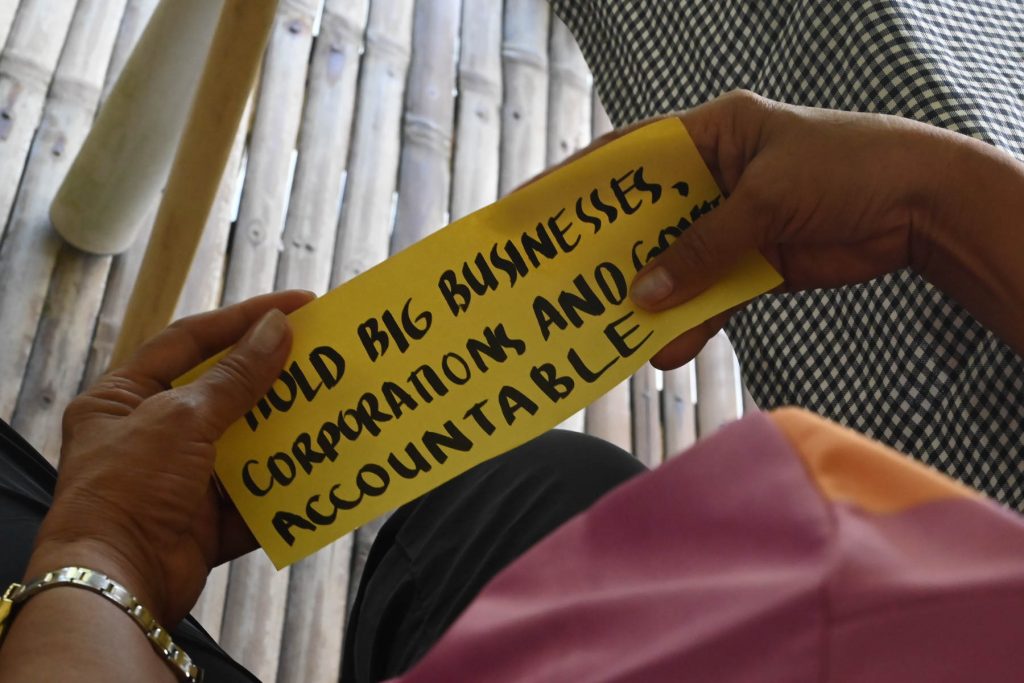
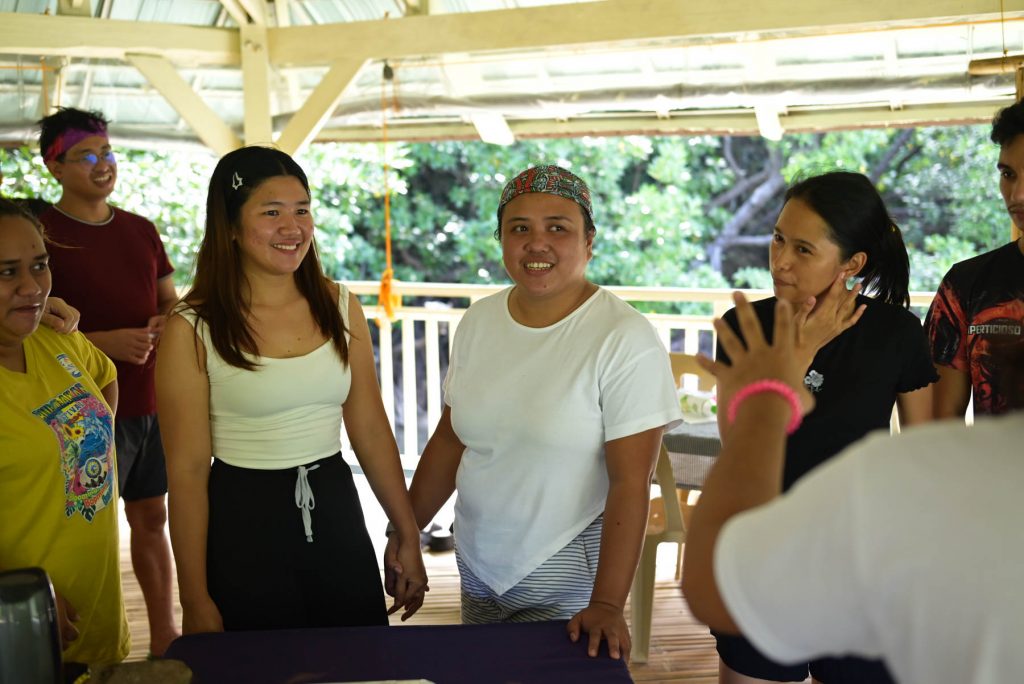
Malyn Pateño, from the Sipalay City local government, noted that their existing Information, Education, and Communication (IEC) materials often lack depth, making them less effective in delivering their message. Reflecting on her experience at the camp, she shared:
“I found the topic on the science of climate the most interesting and helpful. This knowledge will empower us to create more impactful IEC materials that truly resonate with our target audience.”
Why Danjugan Island?
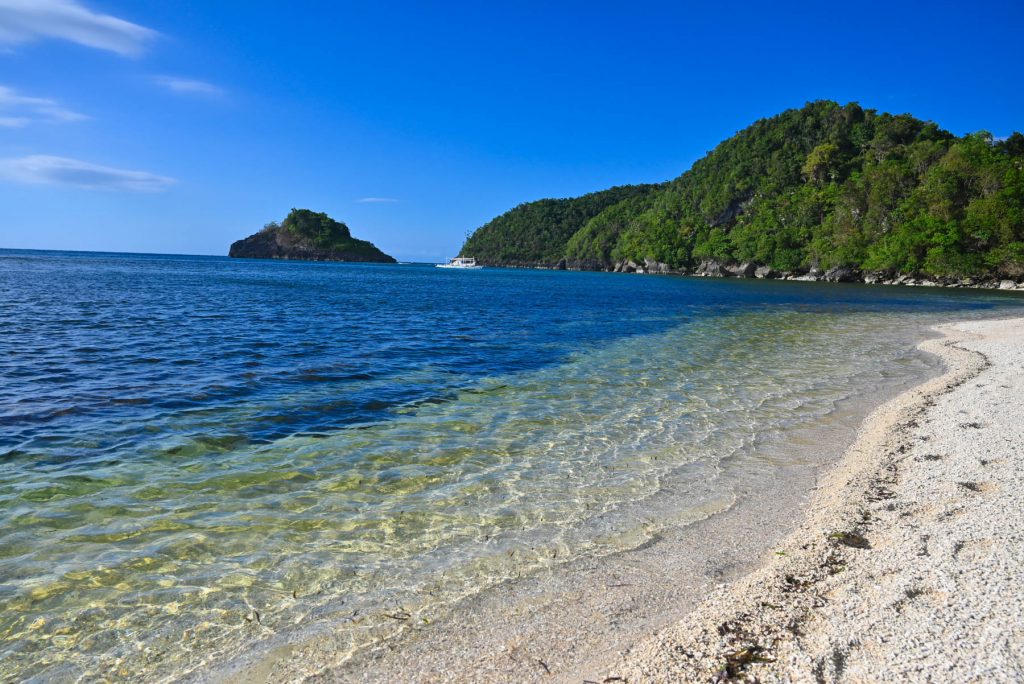
Danjugan Island is more than a venue for the camp—it’s a living classroom. This marine and wildlife sanctuary is a pristine environment that shows what’s at stake if we don’t act now. Every wave, tree, and bird reminds us of what is worth protecting.
Be Part the Change you want to see in the world
The #ParaSaKlima Camp was a chance for like-minded individuals to converse, learn from experts, and leave inspired and motivated to take steps towards a more climate-resilient world. The result? The first-of-its-kind South Negros Climate Action Network – a community of changemakers ready to take action for a sustainable future.
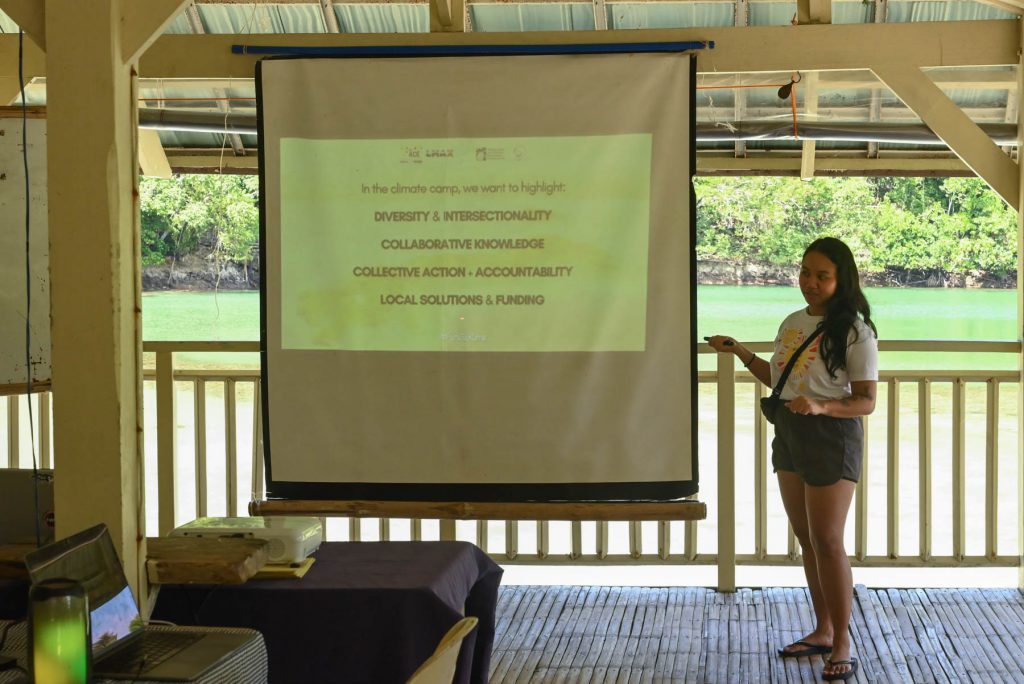
Project ACE Coordinator and Communications Officer Jaya Ariola gives her insight on the camp, “There are so many things I’m proud of in this 3-day climate camp: we were able to establish the the first ever South Negros Climate Action Network, and we also discussed the creation of a Community Climate Fund where people from communities can pitch local climate solutions to be funded by their LGUs with mentorship support from Project ACE. I’m also glad we were able to reconnect to the Earth and how to protect Her, learn about the science and intersectionality of climate, and deepen our relationships and community-building for climate justice.”
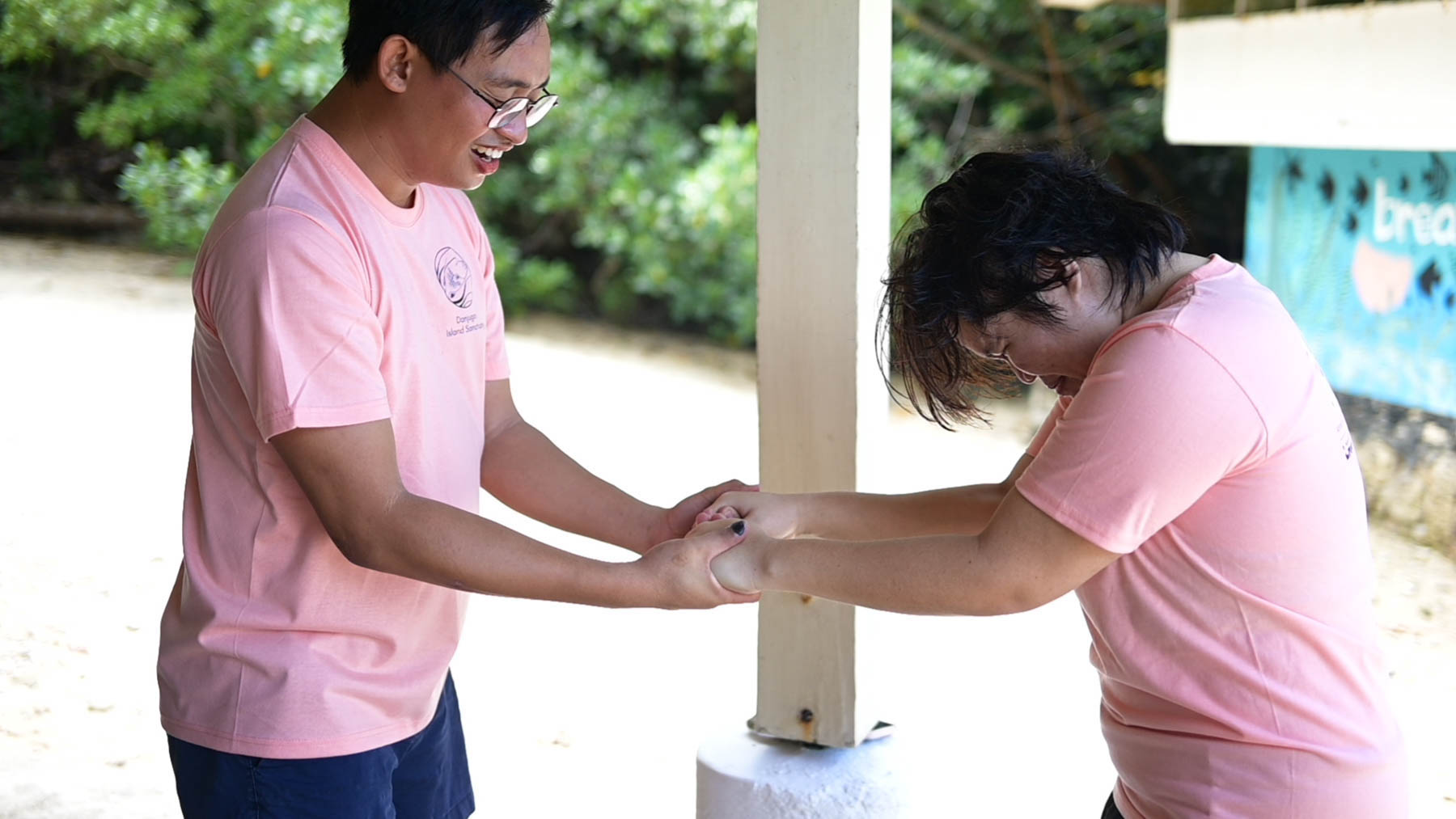
Project ACE: Actions for Communities and Environment, on its 3rd year, is a collaboration between CfN, LMAX Group and Philippine Reef and Rainforest Conservation Foundation.
Stay tuned for the continuing story of Project ACE and see how we’re building a climate-resilient future for Southern Negros Occidental—and beyond. With multiple sectors working hand-in-hand, we are transforming conversations into solutions, one step at a time.
Photos: Darcey delos Reyes
Any questions? Our team would love to hear from you. Get in touch by emailing us at info@communitiesfornature.org or fill in the form below and we will get back to you shortly.